
Kinesiology tape has become a popular solution for athletes, physiotherapists, and fitness enthusiasts seeking muscle support, joint stability, and pain relief. From KT tape to elastic sports tape and athletic kinesiology tape, these products provide therapeutic support without restricting movement. Brands like Xinwo offer high-quality therapeutic kinesiology tape suitable for various applications.
However, despite its benefits, kinesiology tape is not always appropriate. Misuse can lead to skin irritation, worsened injuries, or reduced effectiveness. This guide explores scenarios where you should avoid using kinesiology tape and how to use it safely.
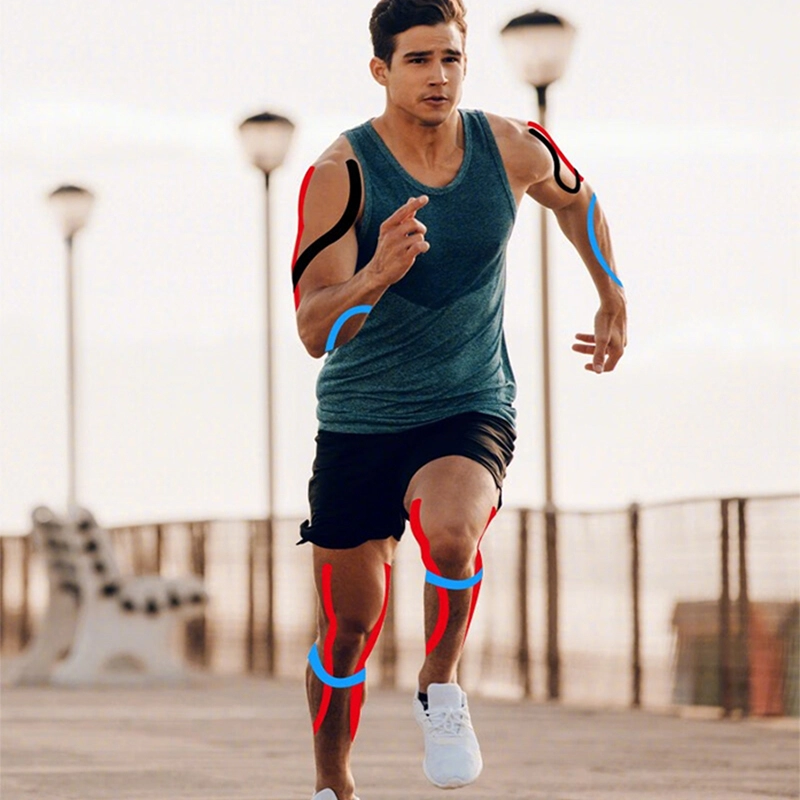
1. Skin Integrity Issues
Open wounds or skin conditions should not have KT tape or elastic sports tape applied over them. Cuts, abrasions, rashes, eczema, infections, or blisters can be aggravated, increasing the risk of irritation or infection. Xinwo therapeutic kinesiology tape is made from skin-friendly materials, but even hypoallergenic tape should not be applied on compromised skin.
Perform a patch test on healthy skin before full application to ensure safety.
2. Circulatory Concerns
Individuals with circulatory problems should exercise caution. Conditions such as deep vein thrombosis, varicose veins, or peripheral artery disease can be worsened by tape-induced pressure. While athletic kinesiology tape is gentle, improper application may restrict blood flow, causing numbness or swelling. Consult a healthcare provider before using therapeutic kinesiology tape if you have vascular issues.
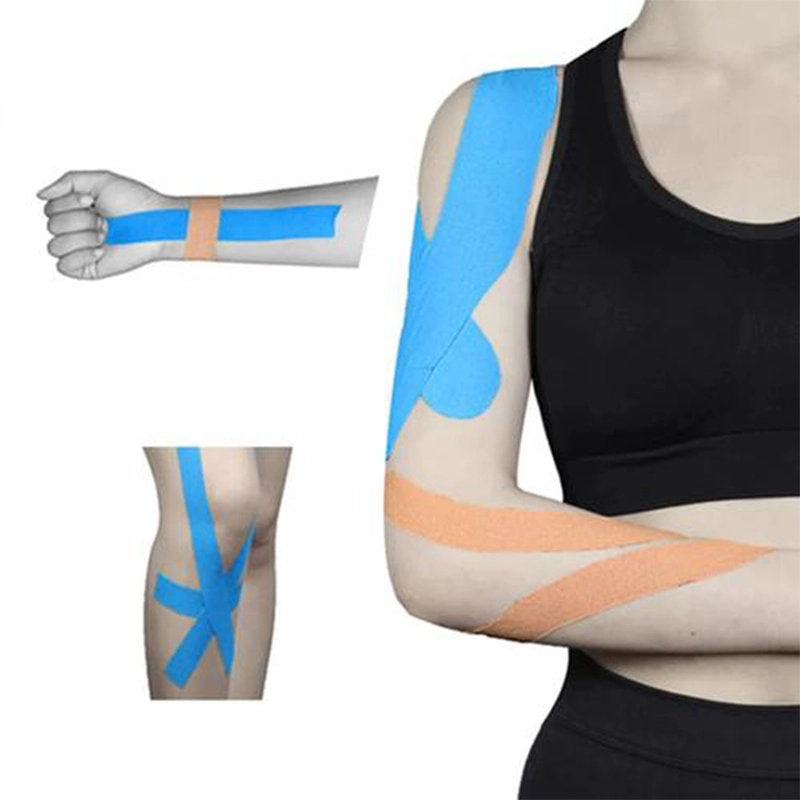
3. Allergies and Skin Sensitivities
Although many KT tape products are latex-free, some users may experience redness, itching, or blistering. Elastic sports tape with adhesives can trigger these reactions, especially for sensitive skin. Test a small patch of tape on the forearm or thigh for 30 to 60 minutes before full application.
4. Severe or Unstable Injuries
Kinesiology tape is supportive, not stabilizing. Avoid using tape on severe sprains, ligament tears, fractures, dislocations, or post-surgical injuries. Athletic kinesiology tape cannot replace braces or professional treatment in acute injuries, and improper use can worsen damage.
5. Improper Application or Overuse
Even healthy users can encounter problems if KT tape or elastic sports tape is misapplied. Tape applied too tightly may restrict blood flow, leaving it on too long can irritate skin, overlapping multiple layers may cause discomfort, and excessive stretching can reduce therapeutic effect. Xinwo kinesiology tape comes with clear instructions to help avoid common mistakes.
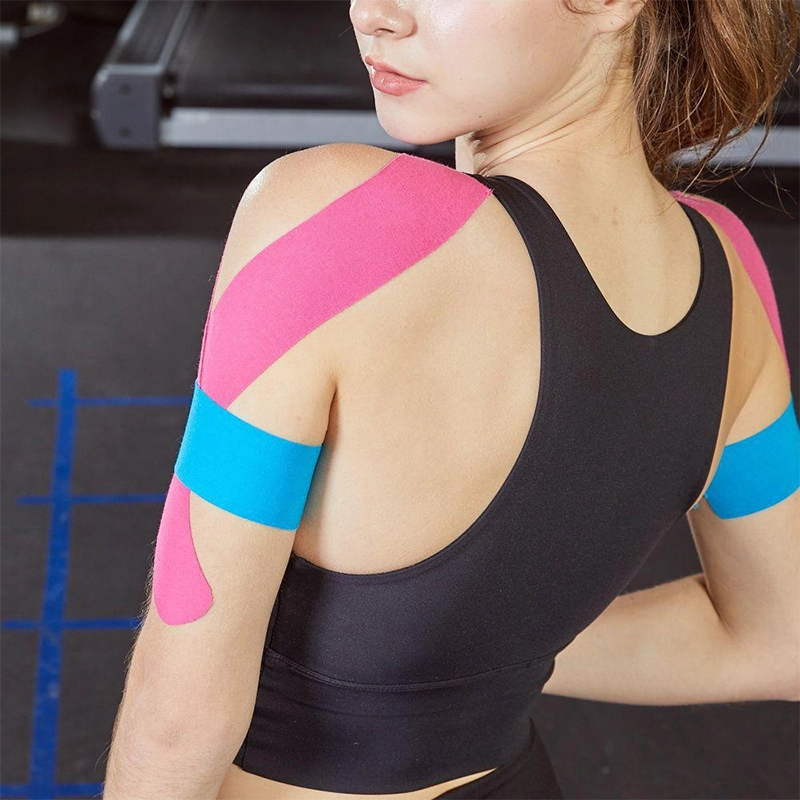
6. Specific Health Conditions
Certain conditions require extra caution. People with diabetes and neuropathy, severe edema or swelling, or known adhesive allergies should consult a professional before using therapeutic kinesiology tape.
7. Age Considerations
Children and teenagers may react differently due to growing joints and sensitive skin. Elderly users have more fragile skin that may tear or blister. Xinwo KT tape is soft and flexible but should be applied with guidance for pediatric or geriatric use.
Safe Use Tips for Kinesiology Tape
To maximize benefits and minimize risks, clean and dry the skin before applying tape, follow proper taping techniques for each muscle or joint, avoid hairy or wet skin for better adhesion, monitor skin reaction and remove tape if irritation occurs, limit duration to 24–48 hours, and rotate application sites to prevent skin stress.
Conclusion:
Kinesiology tape, including KT tape, elastic sports tape, athletic kinesiology tape, and therapeutic kinesiology tape, is a versatile tool for muscle support, joint stability, and pain relief. However, it is not suitable for everyone or every situation. Avoid using it on open wounds, compromised skin, severe injuries, or in the presence of allergies. Brands like Xinwo offer safe, high-quality options, but proper knowledge and careful application are essential. By understanding when not to use kinesiology tape, users can safely enjoy its benefits and prevent potential complications.





Add comment